

petri dish how to use
How to Use a Petri Dish A Comprehensive Guide A Petri dish is an essential tool in microbiology, biology, and various fields of research and laboratory work. This shallow, cylindrical, flat dish made of glass or plastic is widely used for culturing microorganisms, growing plant cells, or conducting various experiments. Understanding how to use a Petri dish effectively can enhance your laboratory skills and yield better results in your experiments. This article will guide you through the essential steps to using a Petri dish. 1. Understanding the Basics Before diving into the usage, it is paramount to understand the structure and purpose of a Petri dish. The dish typically consists of two parts a shallow base and a cover. The base is where you'll prepare and grow cultures, while the cover helps prevent contamination and maintain humidity inside the dish. 2. Sterilization and Preparation Sterilization is a critical step when working with Petri dishes, as it helps prevent contamination from unwanted microorganisms. To sterilize a Petri dish - Using an Autoclave If you have access to an autoclave, this is the most effective method. Place the Petri dishes in the autoclave at a temperature of 121°C (250°F) for about 15-20 minutes. This process will kill any existing bacteria, fungi, or spores. - Pre-packaged Dishes If you’re using pre-sterilized, commercially prepared Petri dishes, you can skip this step; just ensure you handle them with clean hands or gloves to maintain their sterility. - Disinfecting Surfaces Always disinfect the work surface with 70% ethanol or a similar disinfectant before beginning your work. This minimizes the risk of contamination. 3. Preparing Media The medium used in a Petri dish is crucial for the growth of the desired organisms. Common media types include - Agar Plates For bacteria and fungi culture, a nutrient-rich agar medium is widely used. Prepare your agar according to the manufacturer's guidelines, boiling it with distilled water until completely dissolved. Pour the mixture into the sterile Petri dish, filling it to a depth of about 5-7 mm. Allow it to cool and solidify before use. - Specialized Media Depending on your research requirements, you may use selective or differential media. These media favor specific types of growth or provide visual indicators for certain bacteria. 4 . Inoculation Techniques petri dish how to use Once your agar medium is prepared and solidified, it’s time to inoculate the Petri dish with your desired specimen. Here are common techniques - Streak Plate Method Using a sterile inoculating loop or swab, dip into the microbial culture and streak it across the surface of the agar in a pattern. This method helps isolate individual colonies. - Pour Plate Method Mix your microbial sample with molten agar before pouring it into the Petri dish. This method is useful for quantifying bacteria. - Spread Plate Method Using a sterile spreader, distribute a diluted microbial sample evenly across the agar surface. 5. Incubation After inoculation, seal the Petri dish with parafilm or tape if needed and place it in an incubator set to the appropriate temperature for the microorganisms you are culturing. Standard incubation times can vary from a few hours to several days, depending on the organism. 6. Observing Growth Once the incubation period is over, carefully observe the microbial growth in your Petri dish. Use a magnifying glass or microscope for detailed observations if necessary. Record your findings, noting the characteristics of colonies such as color, shape, and size. 7. Disposal and Cleaning After completing your experiment, dispose of the Petri dish contents properly. Autoclave any used dishes before disposal to prevent the spread of microorganisms. Clean your work area again and wash your hands thoroughly. Conclusion Using a Petri dish is a straightforward yet essential procedure in microbiological research. By following proper sterilization, preparation, inoculation, and disposal procedures, you can effectively utilize Petri dishes to achieve reliable and reproducible results in your experiments. Whether you’re in a professional laboratory or a classroom setting, mastering the use of Petri dishes will enhance your scientific skills and contribute to successful research outcomes. Remember that safety and cleanliness are key components in microbiological work to ensure both accuracy and personal safety.
Customer: To provide and innovate sustainable products of
superior quality and value-added services for our customers.
Employee : To build a happy and harmonious enterprise to work with.
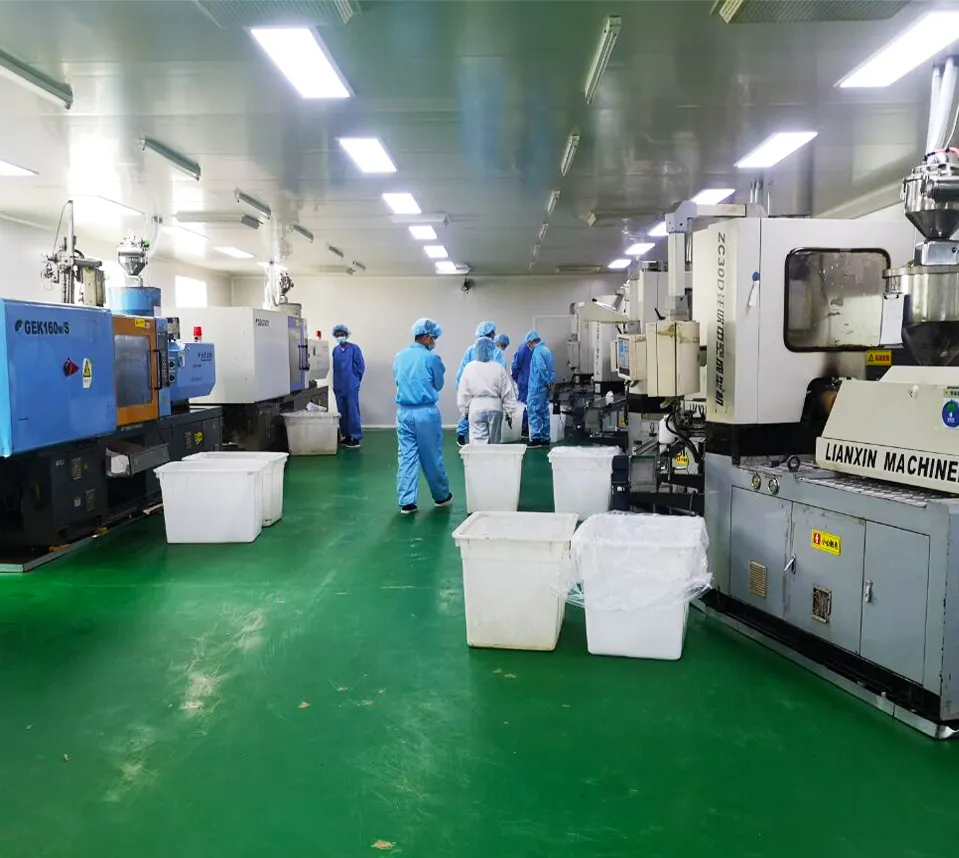
Success in business is based on trust. By putting quality at the core of everything we do, Cangzhou Weikang Package’s services has earned the truth.

과학 실험실 액세서리 과학 실험실은 학생들이 실험과 연구를 통해 과학적 원리를 배우고 탐구하는 중요한 공간입니다. 이러한 실험실에서 필수적으로 사용되는 것이 바로 다양한 과학 실험
Understanding the Cost of Spray Bottles A Comprehensive Overview Spray bottles are ubiquitous in bot
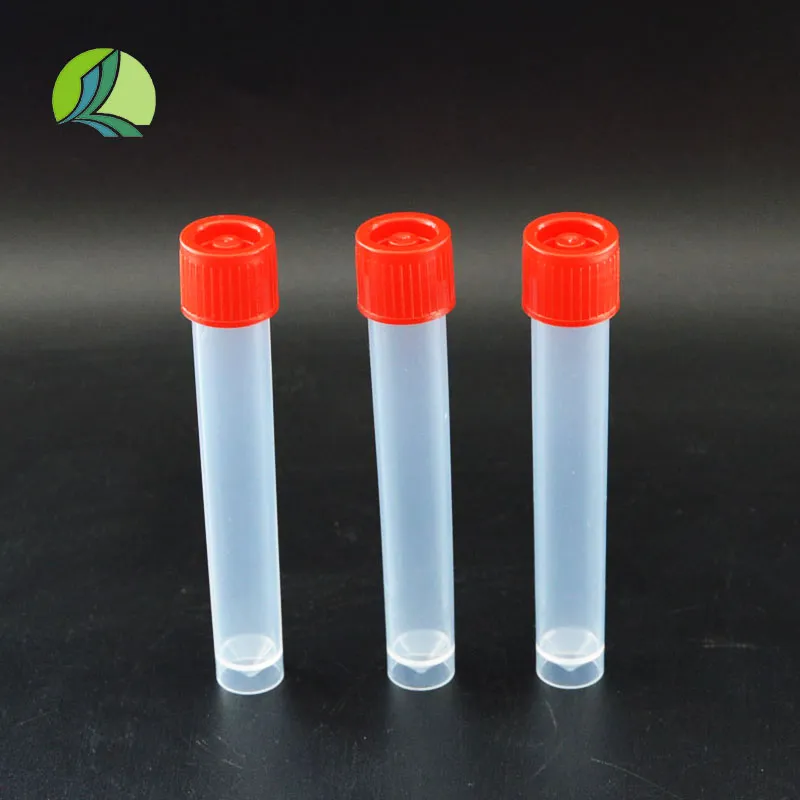
Şüşə Təmizləyici Şüşə İstehsalçıları Sənayenin İnkişafı və İnnovasiyalar Son illərdə ətraf mühitin m
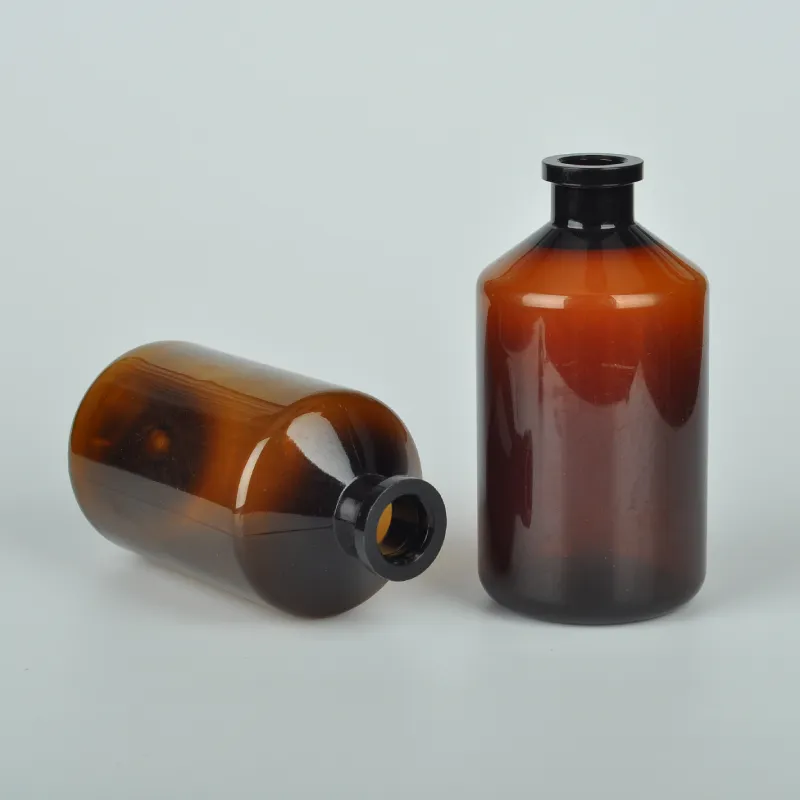
Understanding the Spray Bottle Rate A Comprehensive Analysis In our daily lives, we often encounter
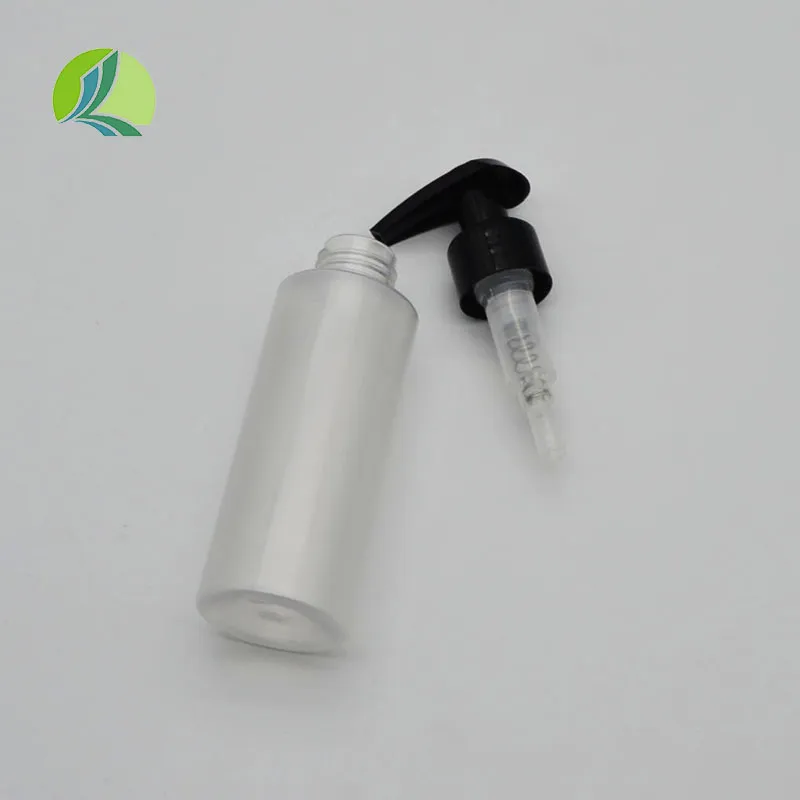
Spray Bottles Personalizzati Un'Idea Creativa per Ogni Occasione Le bottiglie spray personalizzate s
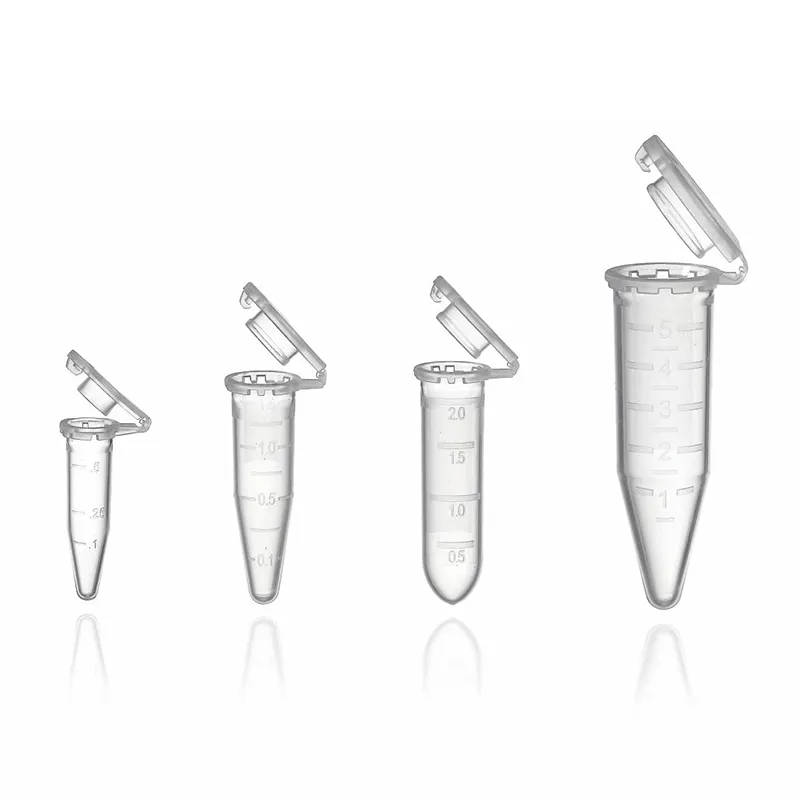
Culture Swabs and Transport Tubes Essential Tools in Microbial Testing In the realm of microbiology,